Too Long, Didn’t Read: A Resource Guide for 2026-2027
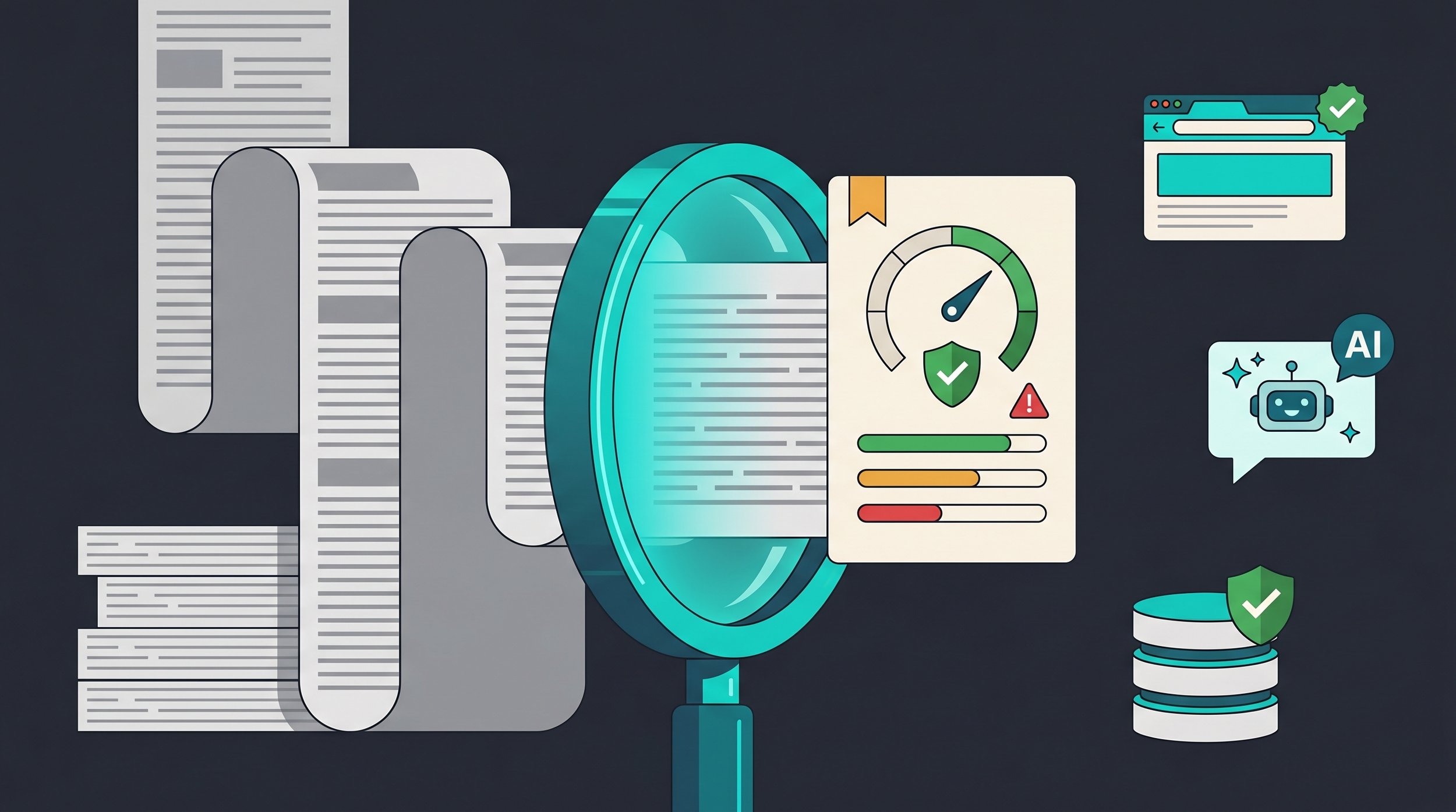
magnifying glass scanning a stack of dense legal documents
By S’Bussiso Dube/SourceBox Team
We have all experienced the "Consent Paradox." You encounter a new app, a promising AI tool, or a "smart" home device. You are met with a 40-page Terms of Service (TOS) agreement written in a dialect of "legalese" designed to be unreadable. You scroll to the bottom, check the box, and click "I Agree."
In that single click, you may have signed away your rights to your own data, granted a company the right to train their AI on your private thoughts, or consented to have your location tracked in real-time.
The problem isn't that you are lazy; it's that the system is designed to make you compliant through exhaustion.
But in 2026, the power dynamic is shifting. We no longer have to guess what we are agreeing to. A new ecosystem of open-source tools, AI analyzers, and expert databases now allow us to "read" the fine print in seconds. Here is the comprehensive guide to the tools that can help you reclaim your digital sovereignty.
The "Immediate Awareness" Layer: Browser Extensions
For the majority of us, the most dangerous moment in our digital life is the "first visit." When we land on a new site, we are often in a state of high intent, we want the tool, the information, or the service now. This is exactly when we are most likely to skip the Terms of Service and click "I Agree" without a second thought.
The problem is that by the time you create an account or upload your first file, the transaction is complete. Your data is ingested, your profile is built, and the damage is already done.
The goal of a browser extension is to dismantle this cycle of blind trust. By acting as a digital sentinel, these tools provide a "Privacy Warning" before you ever engage. They transform the act of browsing from a gamble into an informed choice, ensuring you know exactly what you are trading away before you ever click a single box.
ToS;DR (Terms of Service; Didn't Read)
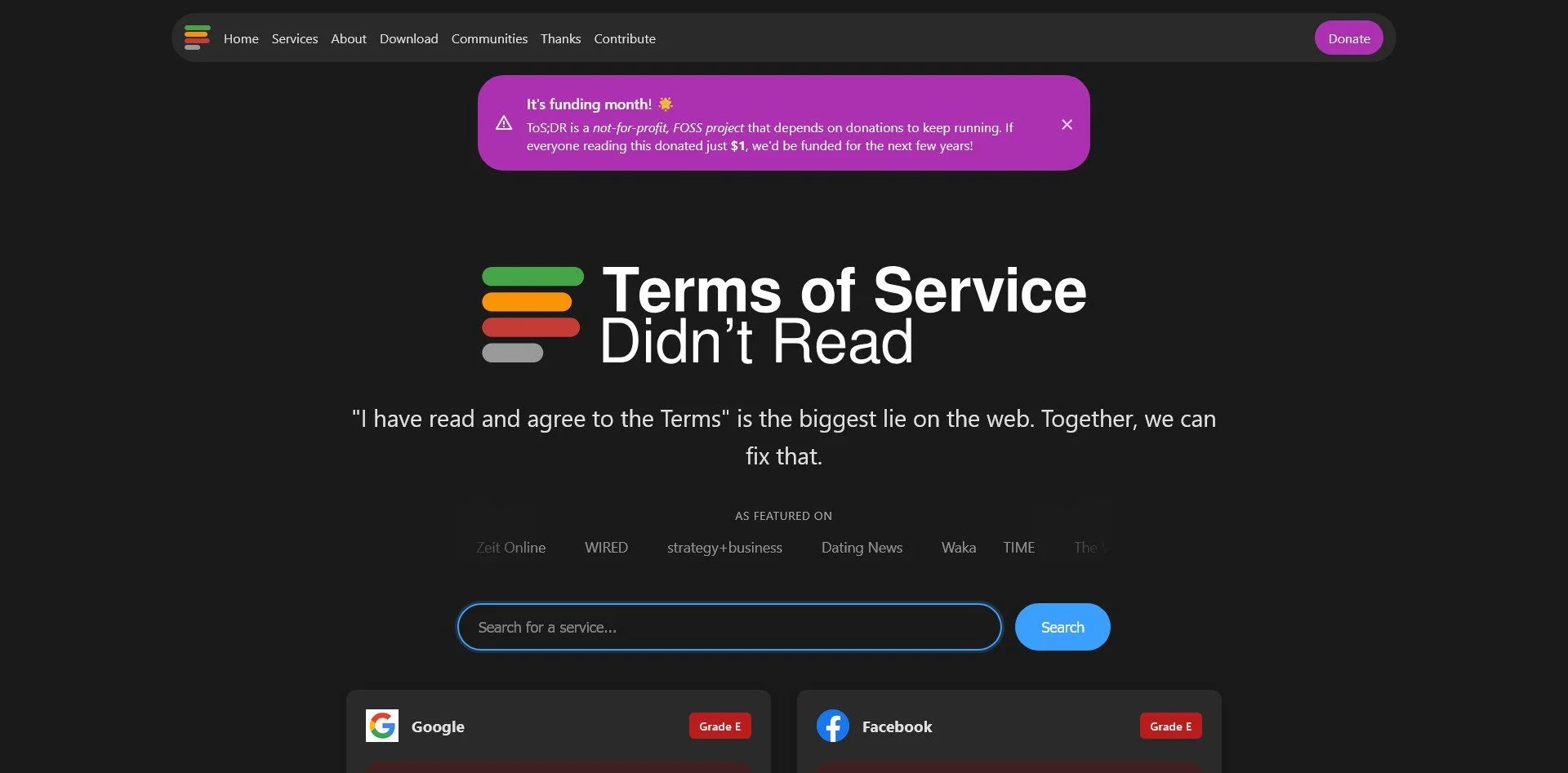
TOS Didn’t Read webpage
ToS;DR is the gold standard for a first-glance audit. Instead of forcing you to read a legal document, it provides a simple A through E grade.
The Mechanism: A global community of contributors flags specific clauses as "Good," "Neutral," "Bad," or "Blocker." These are then curated and graded. If you see an "E," it means the service has very serious concerns which could mean perhaps they claim ownership of your content or share your data with third-party brokers.
The Experience: As a browser extension, ToS;DR surfaces these grades directly in your address bar. It transforms a blind leap of faith into an informed decision.
Sovereign Note: It is free, open-source (AGPL-3.0), and requires no account. It is a tool built on transparency, not profit.
Termzy AI: The Conversational Auditor
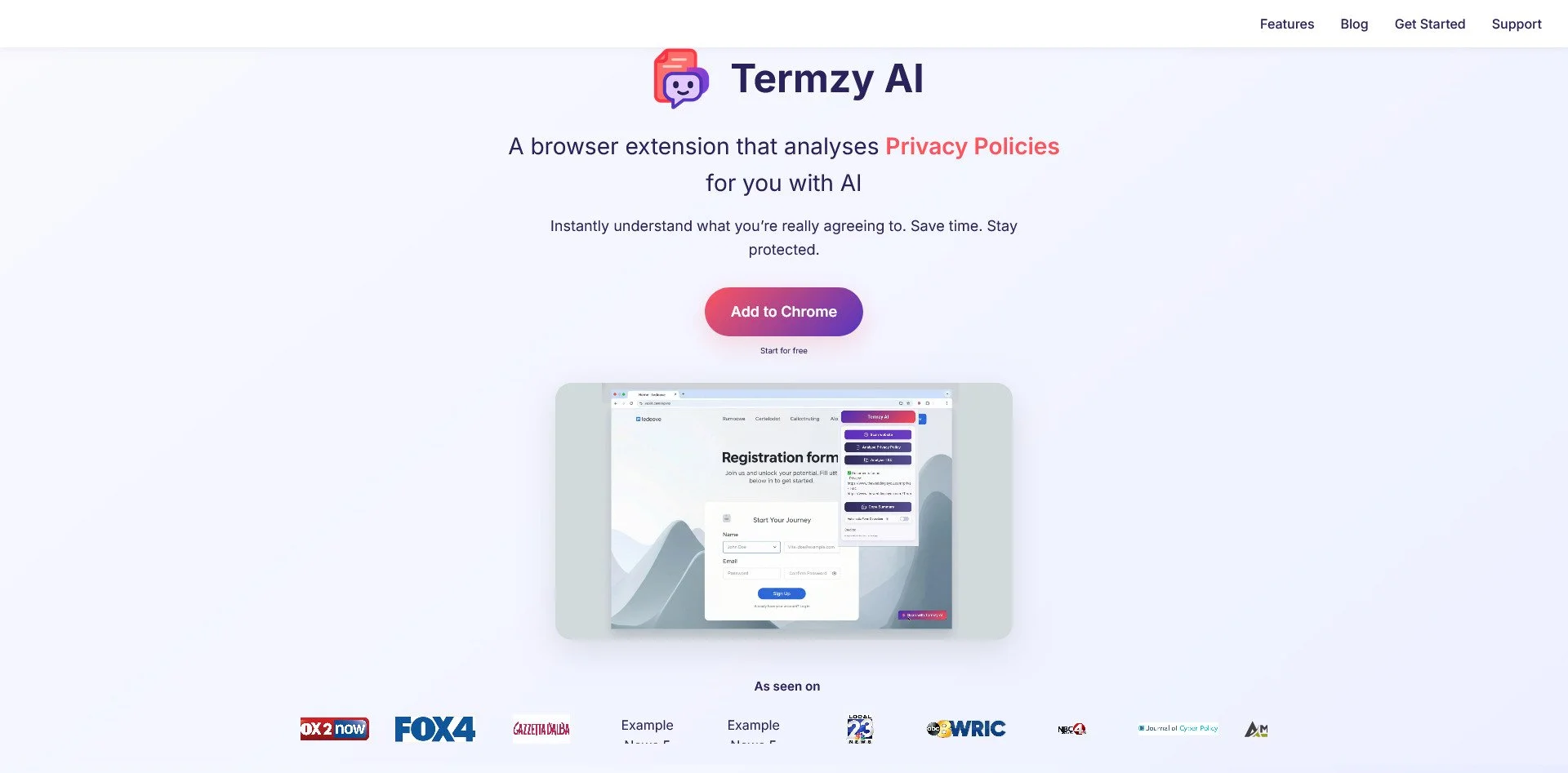
Termzy AI webpage
While ToS;DR provides a "grade," Termzy AI provides a dialogue. It is one of the first tools to integrate a specialized LLM (via DeepSeek) to act as a privacy consultant.
The Experience: When you land on a policy, Termzy allows you to ask the document questions in plain English: "Does this site keep my data after I delete my account?" or "Where is the service based?"
The Trade-off: Because Termzy uses a cloud-based AI for analysis, the text of the policy is sent to a third-party provider. While it is a powerful tool for a quick audit, the most privacy-conscious users should use it for general research, rather than for the most sensitive, secret-category documents.
The "On-Demand" Layer: AI Summarizers
Community-driven databases are an incredible resource, but they have a natural limitation: they can only rate services that are popular enough to be noticed. In a digital economy where thousands of niche B2B tools, boutique AI startups, and specialized apps launch every month, you will inevitably encounter "the unknown", a service that has no grade and no community reviews.
In these moments, you can't rely on a pre-existing score. You need a way to analyze the fine print in real-time, without spending an hour parsing a wall of legalese.
This is where "Paste and Analyze" tools come in. By leveraging Large Language Models (LLMs), these tools can scan a raw policy and instantly surface the "red flags" which are the specific clauses regarding data retention, third-party sharing, or the lack of deletion rights. They turn a daunting legal document into a structured, readable report, allowing you to make a sovereign decision in seconds, regardless of how obscure the service may be.
TrustScan: The High-Speed Auditor
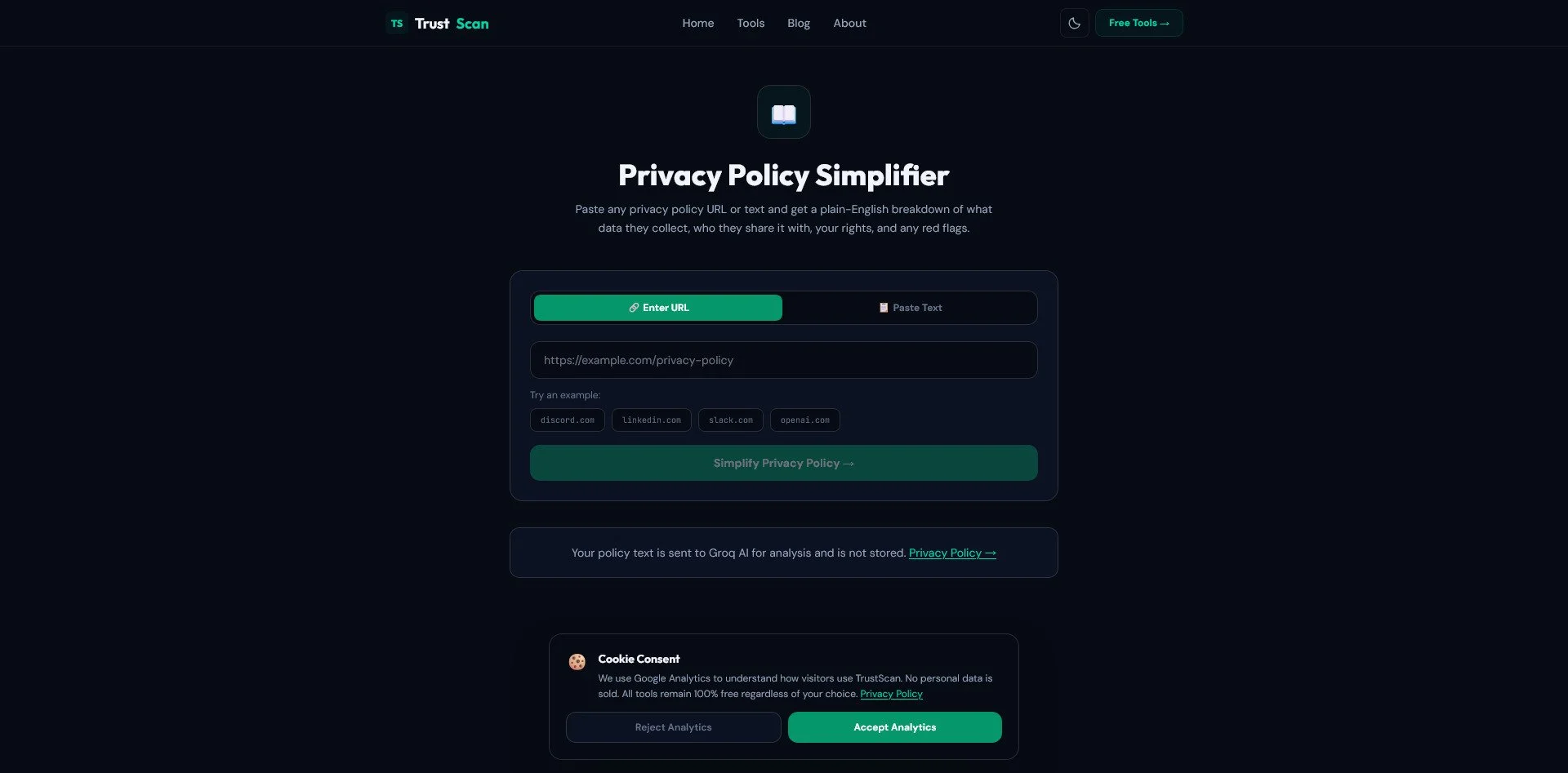
TrustScan webpage
TrustScan is a modern, lightweight toolkit designed for the "Privacy-First" user. It allows you to paste a URL or a block of text and receive a structured report in seconds.
Capabilities: It provides a numeric risk score and a "Red Flag" list. It looks for specific triggers like "third-party sharing" or "lack of deletion rights" that a human might miss while skimming.
Sovereign Note: It is a free, no-account tool. This is critical; you shouldn't have to create an account with a privacy tool just to check if another tool is private.
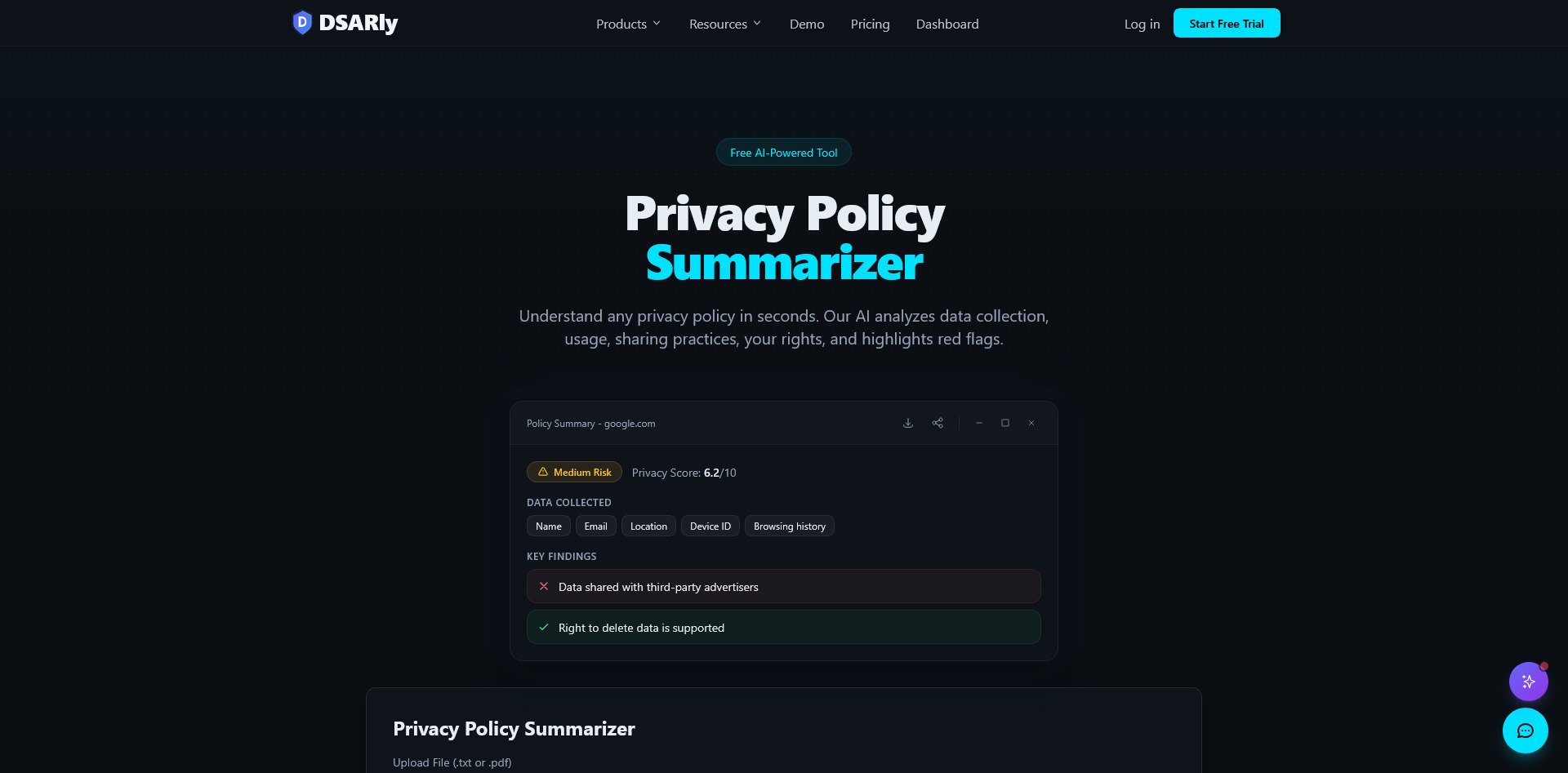
DSARly: The Structured Analyzer
DSARly webpage
DSARly takes a more "data-centric" approach. It focuses on creating a structured summary of exactly what data is being collected (Name, Email, Device ID, etc.) and the "Risk Level" of those collections.
The Value: It transforms a wall of text into a checklist. If "Location Data" is flagged as "High Risk," you know exactly what the cost of using that service will be.
The "Deep Truth" Layer: Expert & Crowd-Sourced Databases
AI is a powerful tool for summaries, but it lacks the one thing critical to true security: context. An AI can tell you that a policy "claims" to protect your data, but it cannot tell you if that company has a history of ignoring its own rules, if its leadership is untrustworthy, or if the physical hardware of a device is designed for surveillance.
When the stakes are high, such as when you are choosing a tool for your business or a security system for your children you need more than a summary; you need a verdict.
This is the purpose of curated databases. These resources combine the "crowd-sourced" knowledge of thousands of users with the "expert-driven" analysis of privacy researchers and engineers. They don't just scan for keywords; they evaluate the actual behavior of the product. By turning to these databases, you gain access to a nuanced understanding of a company's history, its hardware vulnerabilities, and its real-world track record, allowing you to move beyond the "marketing fluff" and see the deep truth of the service.
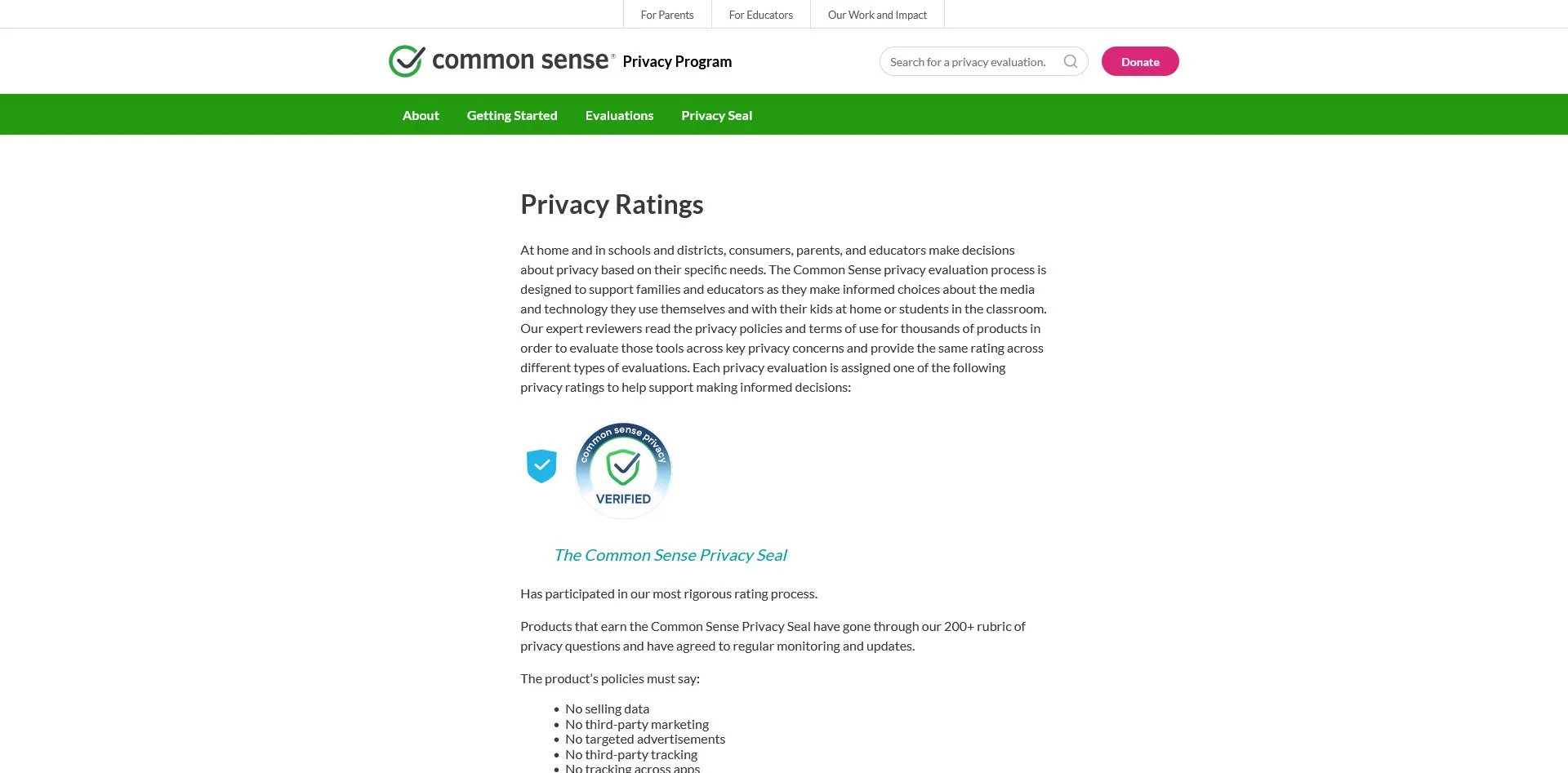
Common Sense Privacy Ratings (The Family Standard)
Common Sense Privacy Program Webpage
For parents, educators, and families, the "Technical" grade is less important than the "Practical" grade. Common Sense evaluates apps and products through a reviewer-driven process to see how they actually impact users.
The Output: They provide "Pass," "Warning," and "Fail" badges. They focus on the real-world behavior of the app such as how it handles kids' data and whether its "privacy settings" are actually easy to find.
Mozilla *Privacy Not Included (The Hardware Audit)
Privacy Not Included Webpage
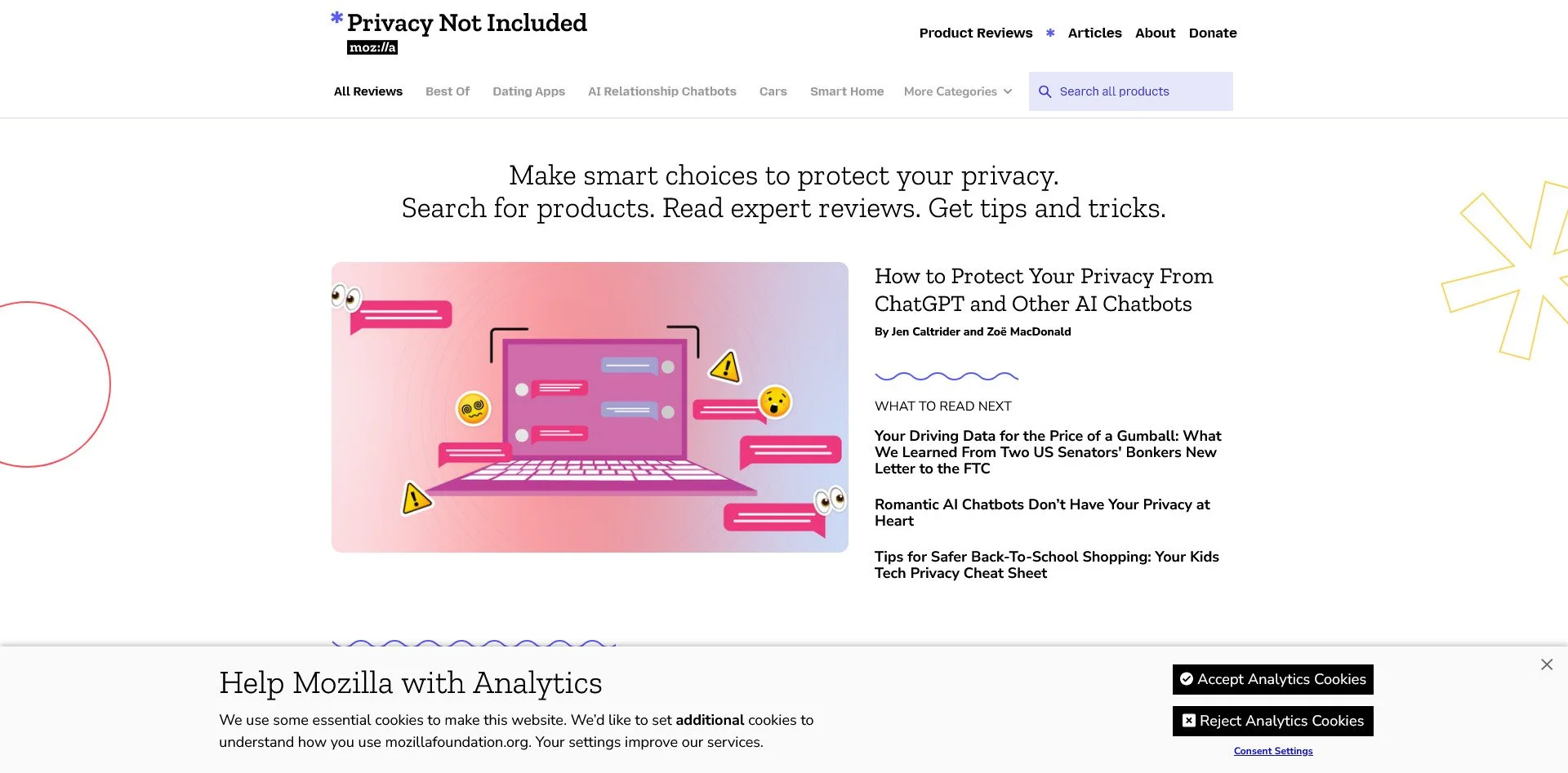
Mozilla’s researchers focus on the "Internet of Things" (IoT). While ToS;DR looks at the text, Mozilla looks at the hardware. They evaluate smart-home devices, wearables, and health apps.
The "Creepiness Meter": Mozilla uses a visual rating system to show how invasive a device is. They look at everything from "how many servers does this talk to?" to "does it have a microphone that is always on?" It is essential reading before buying any new gadget.
PrivacySpy Webpage
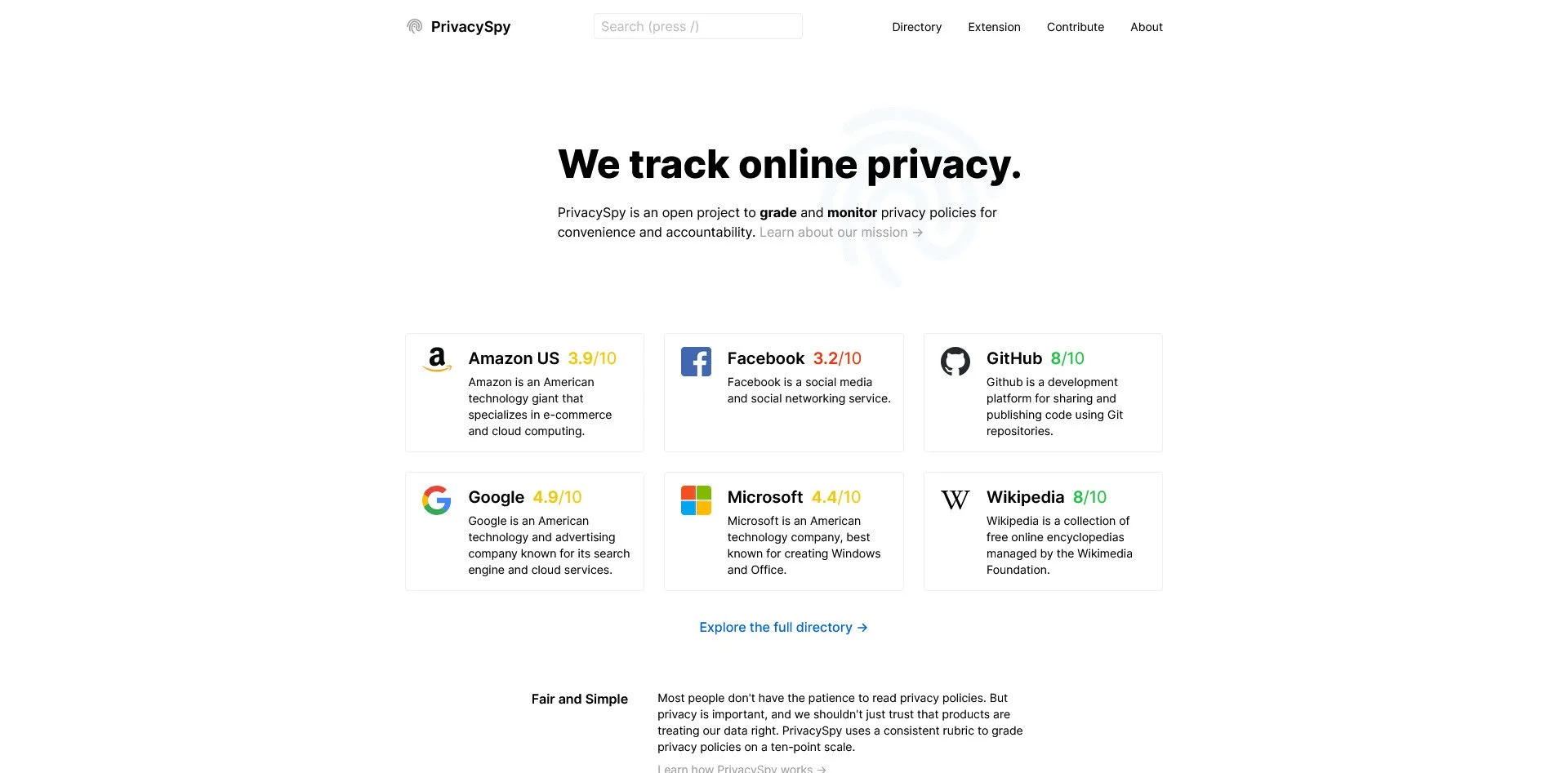
PrivacySpy provides a numeric scale (0–10) for privacy policies, offering a consistent rubric that makes it easy to compare two competing services side-by-side. It is a great "tie-breaker" tool when you are choosing between two different providers.
The "Infrastructure" Layer: Transparency & Literacy
The previous layers of this guide are about defense, using tools to avoid the "traps" set by others. But true digital sovereignty is not just about avoiding the bad; it is about building the good. The final and most critical step of this journey is moving from "using tools" to understanding systems.
Most people treat the internet like a magic box: you put in a request, and a result appears. This "black box" mentality is exactly what allows corporate landlords to maintain control. When you don't understand the underlying infrastructure such as how a DNS record works, how a packet travels across a network, or how a database stores your identity then you are forced to trust the provider.
Sovereignty begins when you replace that blind trust with technical literacy.
By engaging with transparency projects and privacy frameworks, you stop seeing a "Terms of Service" as a legal barrier and start seeing it as a technical specification. You begin to understand the difference between a "cloud service" and a "protocol," and you realize that the most secure way to protect your data is to be the one who manages it. This layer of the stack is about educating and empowering yourself so that you no longer need a "guide" to tell you if a service is safe, instead you have the knowledge to determine it for yourself.
The Open Terms Archive: The Memory of the Web
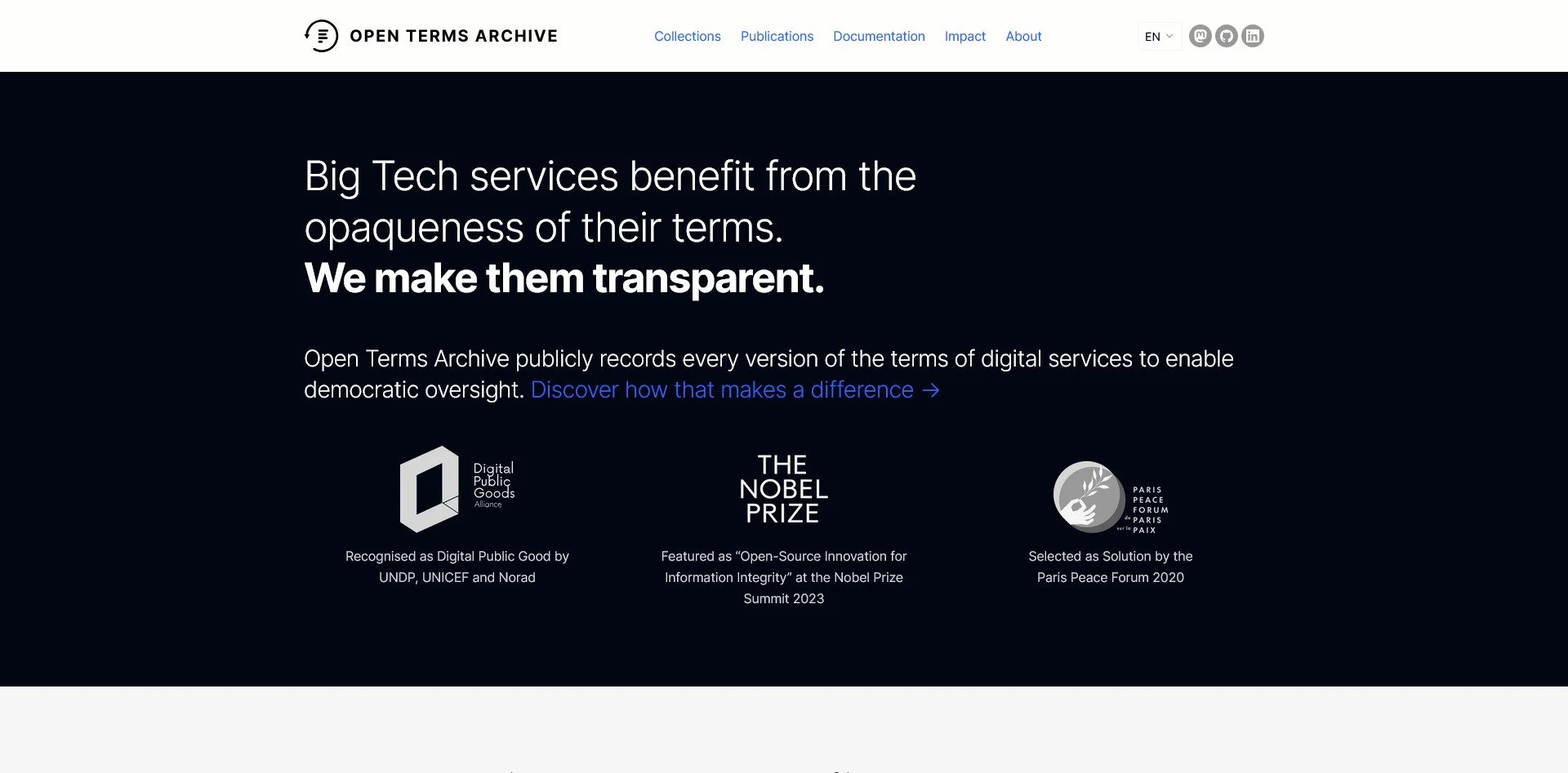
Open Terms Archive Webpage
Most companies change their Terms of Service quietly. They remove a privacy guarantee or add a data-sharing clause in a "midnight update." The Open Terms Archive is a public record that tracks these changes. It allows researchers and users to see the evolution of a company's ethics over time.
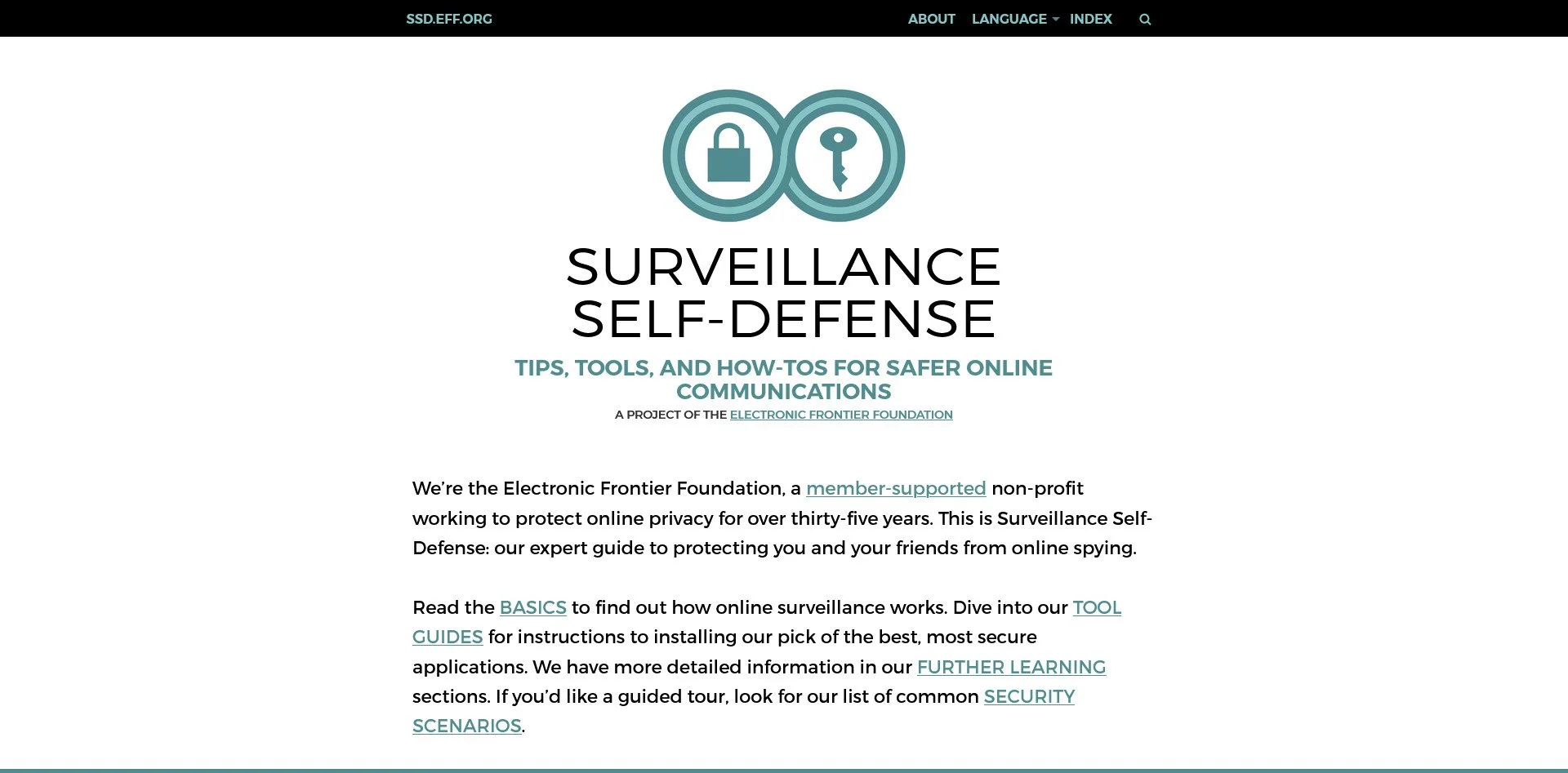
SSD Webpage
The Electronic Frontier Foundation (EFF) provides the "Sovereign's Manual." Their SSD guide is a masterclass in digital hygiene. It doesn't just tell you which tool to use; it teaches you how to think about surveillance, encryption, and anonymity.
Conclusion
Your privacy is not a "gift" given to you by a corporation through a policy. It is a right that you reclaim through your choices.
The tools outlined in this guide from ToS;DR to the EFF’s guides are the first line of defense. They allow you to stop the bleeding and prevent further data leaks. But the ultimate goal is to move beyond "defense" and into ownership.
The transition from a "Digital Tenant" to a "Digital Homeowner" happens in three steps:
Audit: Use these tools to find the "leaks" in your current digital life.
Replace: Move one service at a time from the cloud to a local, open-source alternative.
Automate: Build a sovereign infrastructure that handles your security, your knowledge, and your production without a single third-party "middleman."
The "Price of Convenience" is a tax on your freedom. It is time to stop paying it. The infrastructure for a private, intelligent, and autonomous digital life already exists. All that is left is for you to deploy it.
Don't just agree to the terms. Write your own.
Stop renting your digital existence.
Buy a board, spin up a container, take your data back.
